
Table of Contents
- Why These Midterms Matter Now
- The Senate Map: A Narrow Path for Both Parties
- The House Battle and the Suburban Vote
- Obama on the Trail: The Democratic Case
- Trump on the Trail: The Republican Case
- The Issues Voters Say Matter Most
- Cost of Living
- Immigration and Security
- Health Care and Public Services
- Democracy and Voting Rules
- Early Voting, Turnout and What to Watch on Election Night
- What Happens After the Votes Are Counted
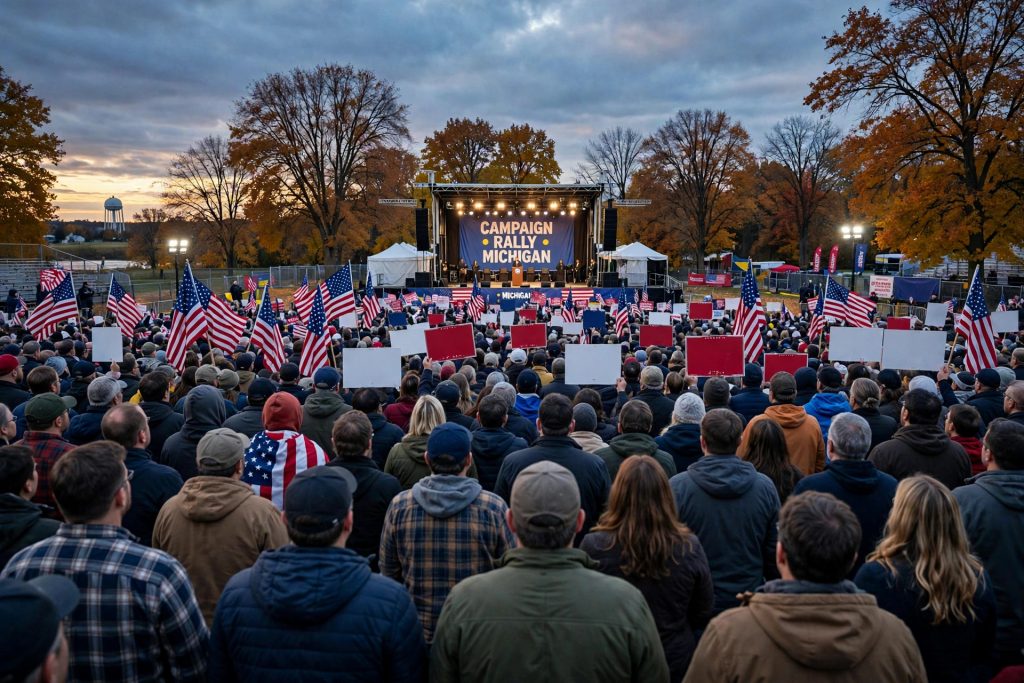
As the 2026 United States midterm elections enter their final week, the campaign has sharpened into a familiar but still powerful contest of voices, visions and turnout. Former President Barack Obama and President Donald Trump have become the most visible figures of the closing stretch, travelling to battleground states, addressing large rallies and urging supporters to treat the remaining days as decisive. Their appearances have drawn national attention not only because of who they are, but because of what is at stake: control of Congress, the direction of federal policy, and the political momentum that will carry into the next presidential cycle.
Midterm elections rarely command the same attention as a presidential race, yet they often shape daily life in more direct ways. The party that controls the House and the Senate can set the legislative agenda, decide which bills reach a vote, confirm senior officials and influence how federal money is spent. For voters, the final week is therefore less about a single speech and more about a series of choices: which candidates understand the pressures on household budgets, which approach to security and public services feels credible, and which vision of American democracy they trust to protect their vote.
Why These Midterms Matter Now
Midterms are often described as a referendum on the party in power, and that description still captures much of their importance. When voters go to the polls in a midterm year, they are not only choosing individual representatives. They are deciding whether the president’s party should keep the legislative support it needs to pass its programme, or whether the opposition should gain the ability to slow it down, investigate it and set competing priorities. That balance can change the tone of national politics for the next two years.
This cycle also arrives at a moment when many voters say they feel squeezed between rising costs, rapid technological change and uncertainty about the future. Campaigns have responded by trying to connect national arguments to local concerns: the price of groceries, the security of a job, the quality of a local school or hospital, and the feeling that government is either helping or getting in the way. The final week is when those broad themes are tested in the places where elections are actually won and lost, in suburbs, small cities and closely divided states.
The Senate Map: A Narrow Path for Both Parties
In the Senate, only a portion of seats are contested in any midterm year, which means the map itself often shapes the campaign before a single vote is cast. Some states lean clearly toward one party, while a smaller group remains genuinely competitive. Those competitive races tend to attract the most visits, advertising and national attention, because a small number of outcomes can determine which party holds the majority and therefore which party controls committees, scheduling and confirmations.
For both parties, the challenge in the final week is therefore about focus. Campaigns must decide where to spend their remaining time and resources, which voters are still open to persuasion, and which supporters need encouragement to actually cast a ballot. A narrow map rewards discipline: a strong performance in a handful of states can matter more than a national message that is popular but does not change the outcome in the places that decide control.
The House Battle and the Suburban Vote
The House of Representatives tells a different story. All of its seats are contested, which means the national mood can translate into a broad shift, but the outcome still depends on district-level contests. Many districts are not close, yet the competitive ones, often in suburbs and fast-growing areas, receive intense attention. Voters in those places tend to weigh a mix of local services, national leadership and everyday costs, and they can move between parties from one cycle to the next.
Suburban voters are especially important because they often decide the most competitive House races. They may live in communities that have changed quickly, with new housing, new employers and new families. Their priorities can include schools, transport, safety and the cost of housing, alongside broader questions about the economy and national direction. In the final week, campaigns in these districts tend to focus less on national slogans and more on whether a candidate seems practical, credible and responsive to local life.
Obama on the Trail: The Democratic Case
For Democrats, Obama remains a powerful campaign voice. His appearances are designed to energise the party’s base, remind voters of past achievements and frame the election as a choice about protecting democratic norms, expanding access to health care and investing in education and infrastructure. His style is often calm and reflective, contrasting with the urgency of the moment, and his appeal is strongest among voters who already identify with the Democratic Party and among younger and suburban voters who may need encouragement to turn out in a midterm year.
The risk for Democrats is that a national figure, however popular, cannot replace local organisation. Voters still judge their own candidates, and a rally does not guarantee that a supporter will vote early, vote by mail where available, or vote on election day. That is why the final week also involves door-knocking, phone calls, text messages and local events. Obama’s role is best understood as a spark: he can raise attention and enthusiasm, but the campaign must turn that attention into ballots.
Trump on the Trail: The Republican Case
For Republicans, Trump remains the central figure of the campaign. His rallies are designed to mobilise the party’s most loyal voters, frame the election as a judgement on the current direction of the country, and argue that Republican control of Congress is needed to secure the border, reduce the role of federal government and protect economic growth. His direct style, frequent media presence and ability to dominate news coverage give Republican candidates a national platform, even in local races.
The challenge for Republicans is similar, but in reverse. A strong national message can energise loyal supporters, yet it can also motivate opponents and alienate voters in competitive districts who prefer a more moderate tone. Candidates in close races must therefore balance loyalty to the national message with their own local identity. In the final week, that balance is tested every day, in interviews, debates and advertisements that reach undecided voters.
The Issues Voters Say Matter Most
Beyond personalities, voters are weighing a set of issues that affect their daily lives. Campaigns know that a memorable rally line will not matter if it does not connect to a voter’s experience at the supermarket, at work, at a doctor’s office or at the border. Four themes keep returning in the final week, and each party offers a different answer to the same underlying question: who should government help, how much should it intervene, and who pays?
Cost of Living
For many households, the cost of living is the issue that frames everything else. Food, housing, transport and energy costs shape how people judge whether their lives are getting better or harder, and they often matter more than abstract debate. Democrats tend to argue for targeted support, protection for consumers and investment that eases pressure on working families. Republicans tend to argue for lower taxes, less regulation and energy policies that, in their view, will bring prices down by increasing supply and competition. Voters will judge those promises not by their slogans, but by whether they believe life will feel more affordable after the election.
Immigration and Security
Immigration and security also divide the parties sharply, and both sides present their position as the safer choice. Republicans emphasise stronger border enforcement, stricter limits and a clear message that the rules will be applied. Democrats emphasise orderly legal pathways, humane treatment and the economic role of immigrants in many communities. In border states and in cities far from the border, the debate feels different, which is why candidates often adjust their language to local concerns while keeping the national message intact.
Health Care and Public Services
Health care and public services touch almost every family, whether through insurance costs, access to a local clinic or the quality of schools and roads. Democrats generally argue for broader public coverage, stronger funding for public services and protections for people with existing conditions. Republicans generally argue for more choice, competition and state control, saying that markets and local decisions will deliver better value. For voters, the test is practical: can they see a doctor when they need one, and can they afford it?
Democracy and Voting Rules
Finally, democracy and voting rules have become an issue in their own right. Democrats tend to argue for easier registration, wider early voting and stronger protections for the counting process. Republicans tend to argue for stricter identification rules, cleaner voter rolls and tighter controls on mail voting, saying those steps protect trust in the result. Both sides claim to defend democracy; they disagree on what protection requires. That disagreement will matter after election day, when close results are examined in public.
Early Voting, Turnout and What to Watch on Election Night
Turnout is the quiet force behind every midterm prediction. In a presidential year, millions of voters turn out because the contest dominates the news. In a midterm year, the challenge is to bring back voters who may not follow politics every day. That is why early voting matters so much: it spreads voting over days or weeks, gives campaigns a chance to remind supporters, and lets voters choose a moment that fits work and family life. The early vote also gives analysts a first signal, although it is only a partial picture until election day votes are counted.
On election night itself, the pattern to watch is not just who leads first, but where the remaining votes are. Early and mail ballots may be counted at different speeds in different states, so a lead can narrow or widen as counting continues. Competitive suburban districts, close Senate races and a handful of governor contests are likely to shape the national story first. A clear result in the House, a narrow Senate outcome, or a split result would each send a different message about the next two years.
What Happens After the Votes Are Counted
Once the votes are counted, the campaign gives way to governing. If one party controls both chambers, it will try to move quickly on its agenda, knowing that midterm momentum can fade. If control is split, the focus shifts to negotiation, compromise and the areas where both sides can claim a result. Either way, the president’s remaining agenda will be shaped by Congress: what bills can pass, what nominations can be confirmed, and what investigations or oversight will follow.
In the end, the final week is less about predicting a single winner than about understanding what voters are choosing between. Obama and Trump give those choices familiar faces and contrasting messages, but the outcome will be decided by turnout, by suburban and swing-state voters, and by how the issues of daily life are judged on election day. Whatever the result, it will set the terms for the next chapter of American politics — and that is why these midterms, often overlooked, matter so much.
